

The Impact of Project Delays in Construction in 2024: Strategies for Timely Delivery
In the construction industry, project delays have long been a challenge and 2024 is no exception. These delays not only increase costs but can also damage reputation, leading to a loss of future business. For project managers, schedulers and planners in the construction industry, the ability to deliver projects on time is critical for success. As construction projects become more complex, involving various stakeholders, materials and regulatory requirements, timely delivery becomes increasingly difficult to achieve. However, by understanding the root causes of delays and implementing effective strategies, construction professionals can minimize disruptions and ensure projects stay on track.
Understanding the causes of project delays in 2024
Delays in construction projects arise from a multitude of factors, which often compound each other, leading to missed deadlines and escalating costs. Some of the common causes of project delays include:
1.Supply chain disruptions
Stop wrestling with Primavera XER schedules.
Your team can see your schedule without buying a P6 license.
Start Free Trial No credit card · Windows & Mac · From $344/yr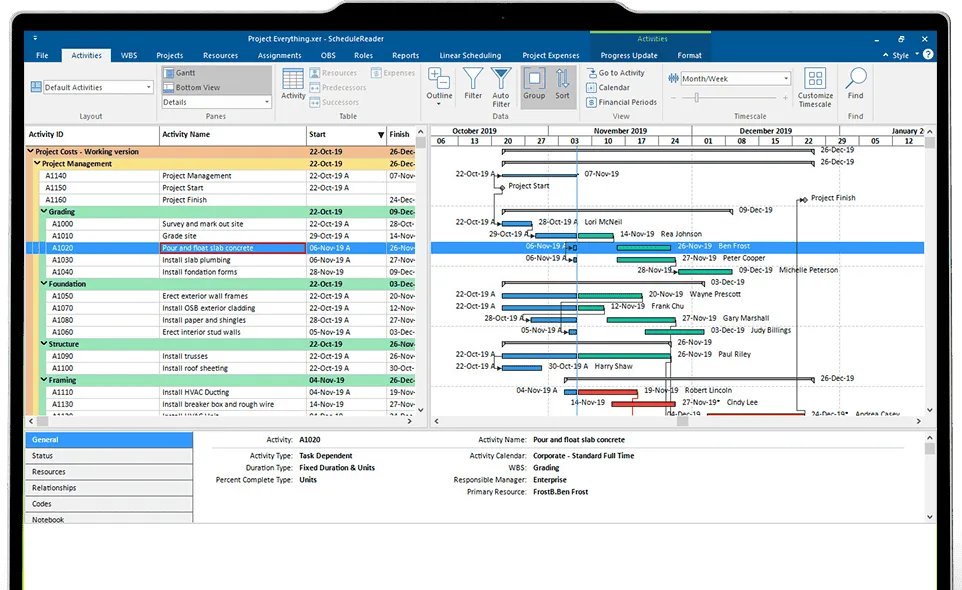
In 2024, the global supply chain continues to face challenges, largely due to lingering effects from the COVID-19 pandemic, geopolitical tensions and economic fluctuations. Construction materials such as steel, lumber and concrete are often subject to delays, causing setbacks in project timelines. When materials don’t arrive on time, work halts and the project schedule suffer.
2. Labor shortages
The construction industry faces a significant labor shortage, with skilled workers in high demand. In 2024, this shortage has intensified, affecting the availability of skilled tradespeople, including electricians, plumbers and masons. Without adequate labor, projects are delayed, pushing back critical phases and completion dates.
3. Regulatory and compliance issues
As governments continue to strengthen environmental regulations and building codes, obtaining permits and ensuring compliance has become more complex. In some cases, approval processes are slow, adding to project delays. Failing to meet these regulations can lead to costly penalties and even project stoppages.
4. Unforeseen site conditions
Despite thorough planning, unforeseen conditions such as underground utilities, environmental contamination, or unexpected geological conditions can disrupt construction. These surprises require additional time for assessments, redesigns, or new permits, all contributing to delays.
5. Communication breakdowns
Poor communication among stakeholder-contractors, suppliers, project managers and clients to misunderstandings, conflicting schedules and mistakes have a negative impact. Misaligned expectations or missed updates on progress can cause delays that could have been avoided with better communication tools and practices.
6. Nature-related delays
While it’s a common and often unpredictable challenge, weather continues to affect construction timelines, especially for outdoor projects. Severe weather conditions such as storms, flooding, or extreme temperatures can halt progress and extend project deadlines.
The consequences of project delays
The ripple effects of construction project delays extend beyond the timeline itself. Here are some of the most significant consequences:
- Increased costs: Delays often lead to extended labor, equipment rental and material storage costs. Moreover, if contracts include penalties for late delivery, the financial impact can be even greater.
- Damage to reputation: In the highly competitive construction industry, delivering projects on time is a mark of reliability. Delays can tarnish a contractor’s or project manager’s reputation, making it harder to win future projects.
- Client dissatisfaction: Clients rely on construction professionals to deliver projects on schedule. When projects are delayed, it disrupts their own timelines and plans, leading to dissatisfaction and potentially strained relationships.
- Legal disputes: In extreme cases, delays may lead to disputes between contractors, clients, or other stakeholders. Litigation or arbitration can drain time, resources and money, further compounding the damage caused by the delay.
Project delays can lead to serious financial losses and strain relationships, impacting both current and future projects. Taking steps to prevent delays is crucial for protecting the project’s outcome and maintaining trust with clients and stakeholders.
Strategies for minimizing delays and ensuring timely delivery
With the impact of delays so pronounced, construction project managers, schedulers and planners must adopt proactive strategies to prevent or mitigate delays. Here are key strategies to ensure timely project delivery in 2024:
1. Improve supply chain management
Construction professionals can minimize supply chain disruptions by diversifying suppliers, maintaining relationships with multiple vendors and leveraging technology to track orders in real-time. Early procurement of materials and preemptively ordering critical items that may be in short supply can help prevent delays. Additionally, using predictive analytics tools can provide insights into potential supply chain risks, allowing for contingency planning.
2. Optimize workforce planning
To address labor shortages, it’s important to develop a robust workforce plan that includes recruitment, training and retention strategies. Partnering with local trade schools and offering apprenticeships can help attract new talent. Furthermore, ensuring that the workforce is cross trained allows for greater flexibility in staffing, minimizing disruptions if one trade is unavailable.
3. Streamline regulatory compliance
Navigating regulatory processes more efficiently is crucial in 2024. Project managers should work closely with legal experts and regulatory bodies to ensure all permits and compliance measures are in place well in advance. Using construction management software to track permit applications, inspections and compliance documentation can reduce the likelihood of delays caused by regulatory oversight.
4. Conduct thorough pre-construction planning
To mitigate the risks of unforeseen site conditions, invest time in comprehensive site assessments and surveys before construction begins. Geotechnical studies, environmental impact assessments and utility mapping should be part of the pre-construction phase. Additionally, building contingency plans into the schedule for unforeseen site challenges can help reduce the impact of any surprises.
5. Leverage technology for better communication
Using advanced construction management software or cloud-based collaboration platforms is essential for maintaining seamless communication among all stakeholders. These tools allow project managers to track progress, assign tasks, share updates and ensure everyone is aligned on the project’s timeline. Regular updates and meetings can help prevent miscommunication and keep the project on schedule.
6. Implement weather contingency plans
While weather delays are often unavoidable, project managers can prepare by creating contingency plans for adverse weather conditions. This involves building flexibility into the project schedule, using advanced weather forecasting tools to anticipate potential disruptions and securing weather-resistant materials when necessary. In regions prone to severe weather, selecting alternative construction methods can also help reduce downtime.
7. Use agile project management
Adopting agile methodologies in construction can enhance flexibility and responsiveness to changing conditions. Breaking the project down into smaller, manageable phases allows for better control over the timeline and quicker identification of potential delays. Agile methodologies also promote continuous collaboration and regular adjustments, helping the project stay on course.
8. Monitor progress closely and adjust as needed
Effective monitoring is critical to ensuring timely project delivery. Project managers should establish key performance indicators (KPIs) to track progress in real-time and adjust the project schedule as needed. Using real-time data from construction management software allows for quick decision-making and helps prevent small issues from turning into significant delays.
Delivering construction projects on time
In 2024, timely delivery in construction isn’t just about meeting deadlines, it’s about maintaining a competitive edge in an evolving industry.
The construction industry will continue to face challenges in meeting deadlines due to factors such as supply chain disruptions, labor shortages, and regulatory complexity. However, with proactive strategies such as better supply chain management, workforce optimization and the use of advanced technology, project managers, schedulers and planners can mitigate the impact of delays. By taking a forward-thinking approach and leveraging the right tools and practices, construction professionals can overcome these challenges and deliver projects on time, maintaining client satisfaction and protecting their bottom line.

To further enhance project timeline management, using specialized scheduling tools like Schedule Reader can significantly improve project oversight. Schedule Reader allows project managers, schedulers, and team members to view, analyze, and communicate schedule data without requiring complex project management software licenses like Primavera P6. By providing a clear and accessible visual representation of project timelines, resource allocations, and critical path activities, Schedule Reader ensures that all stakeholders are aligned and up to date with the latest schedule updates. Using such scheduling tools can make a substantial difference in maintaining project momentum and avoiding unnecessary delays. Try out the 15-day free trial.